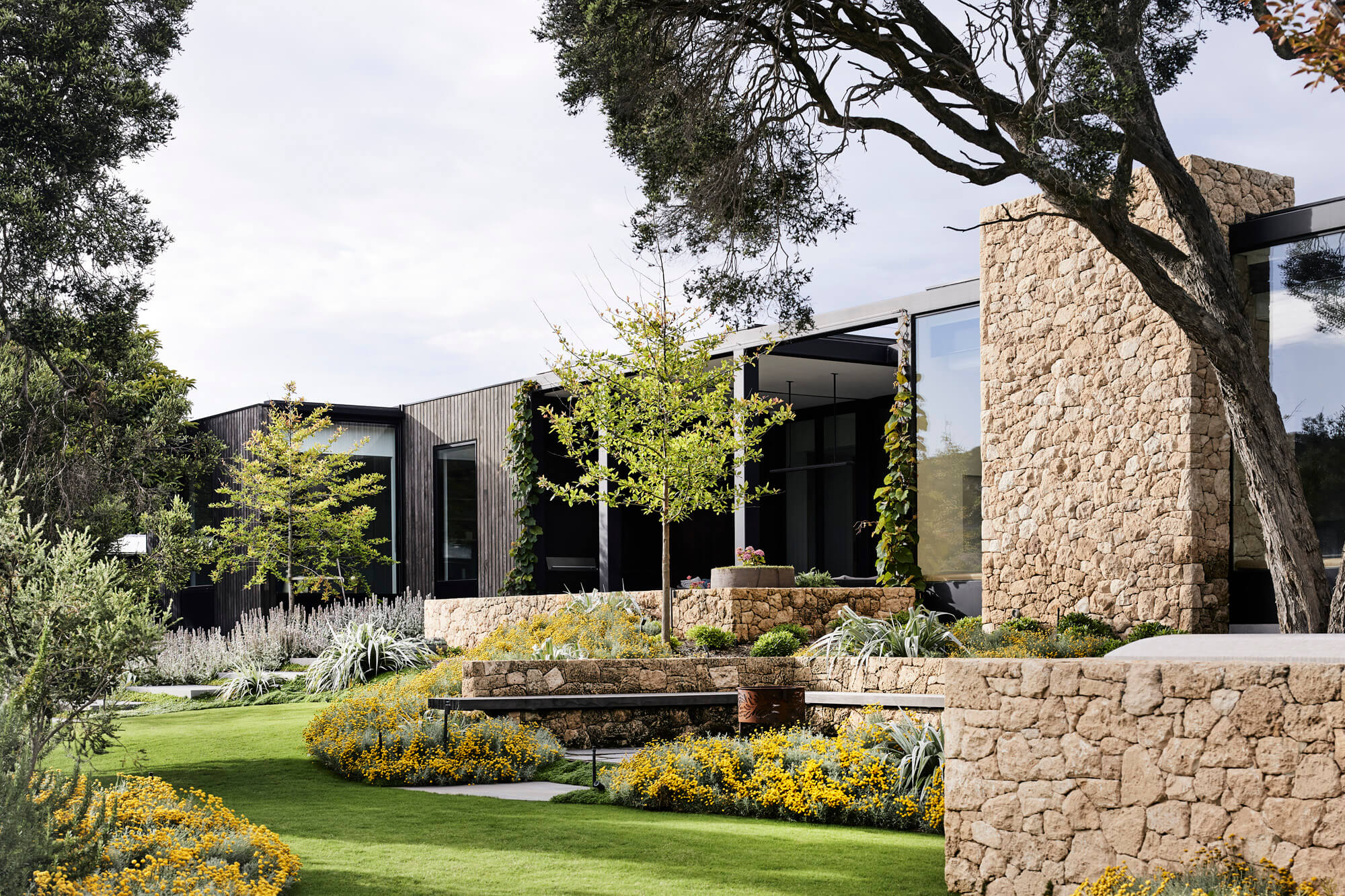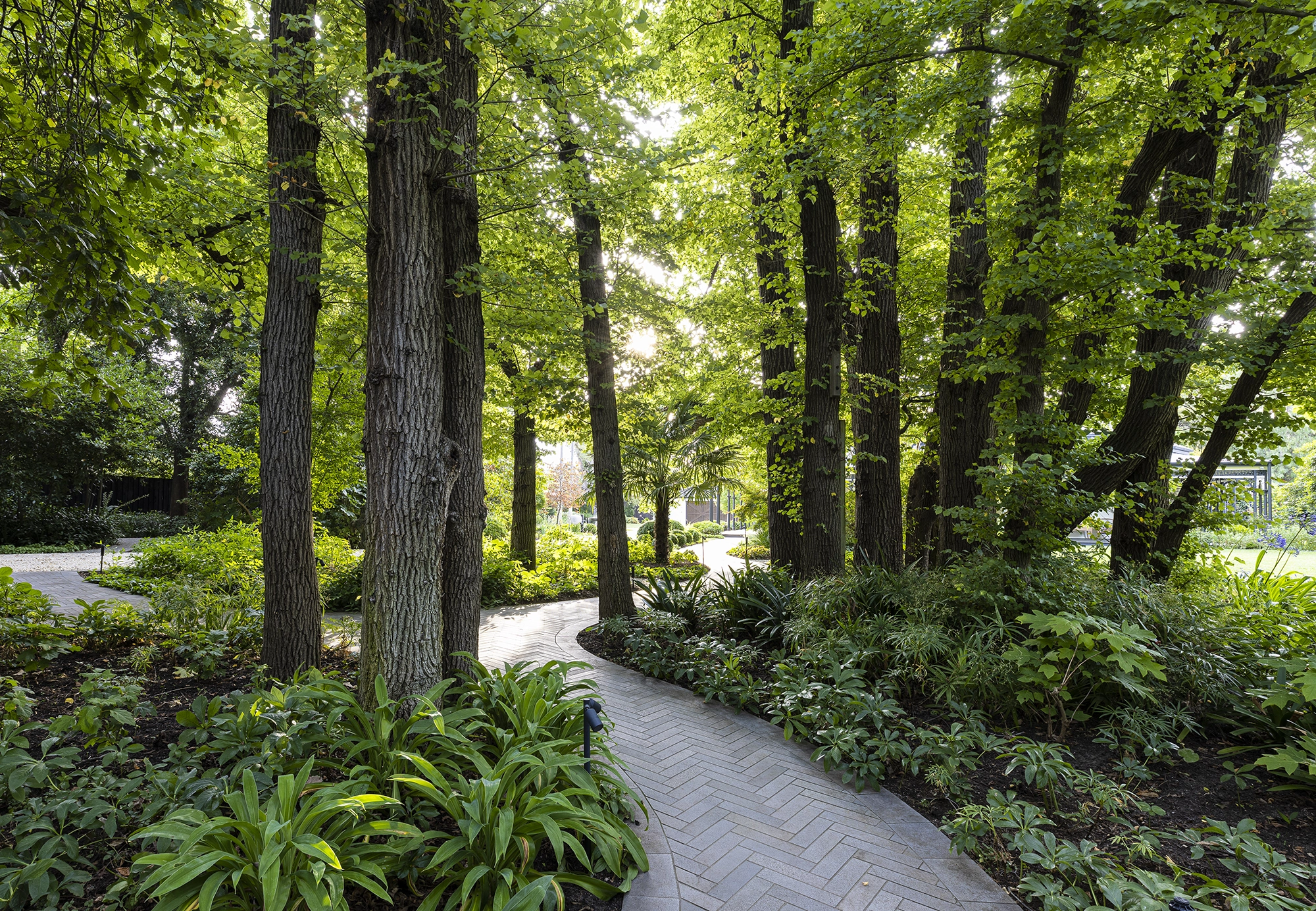
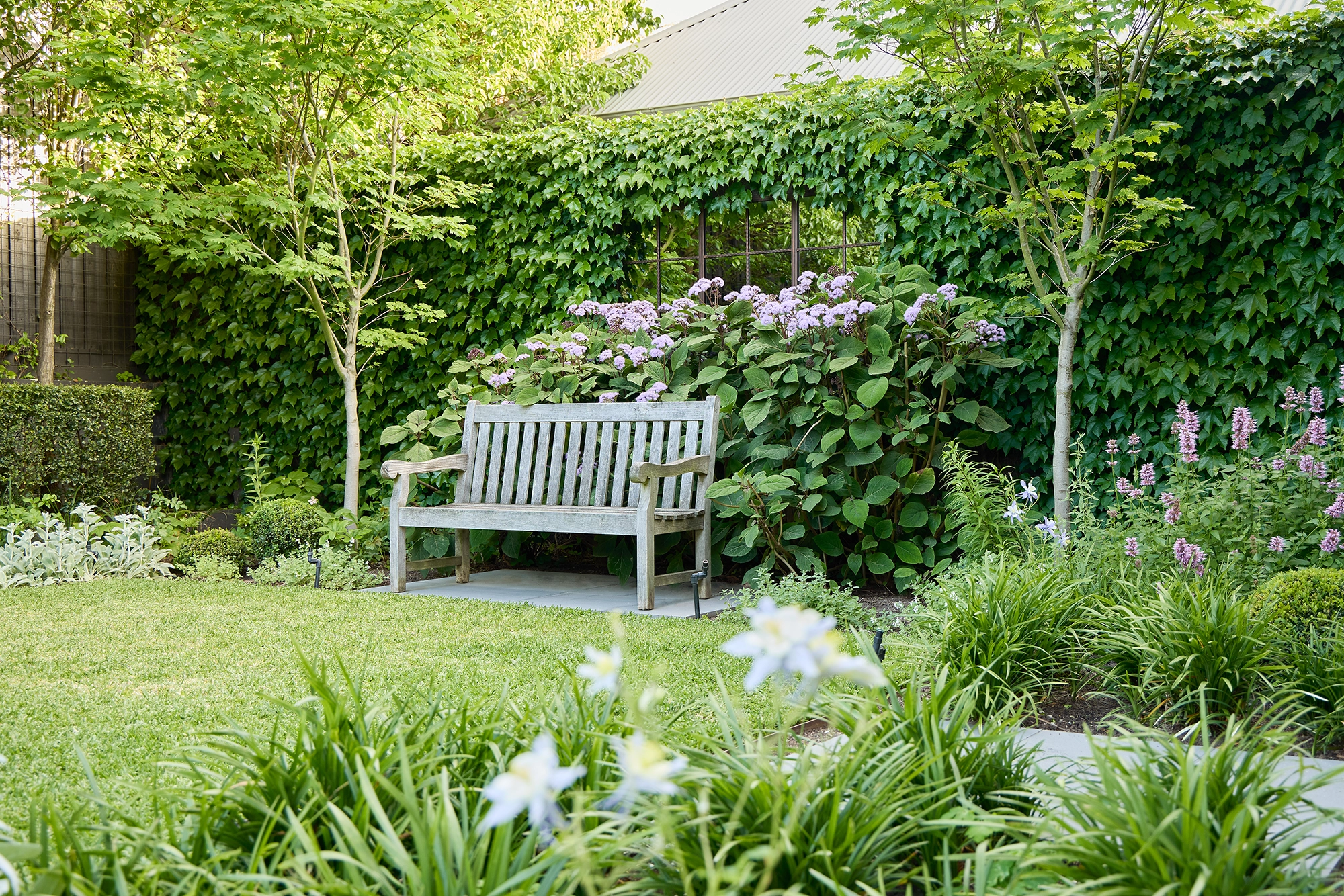
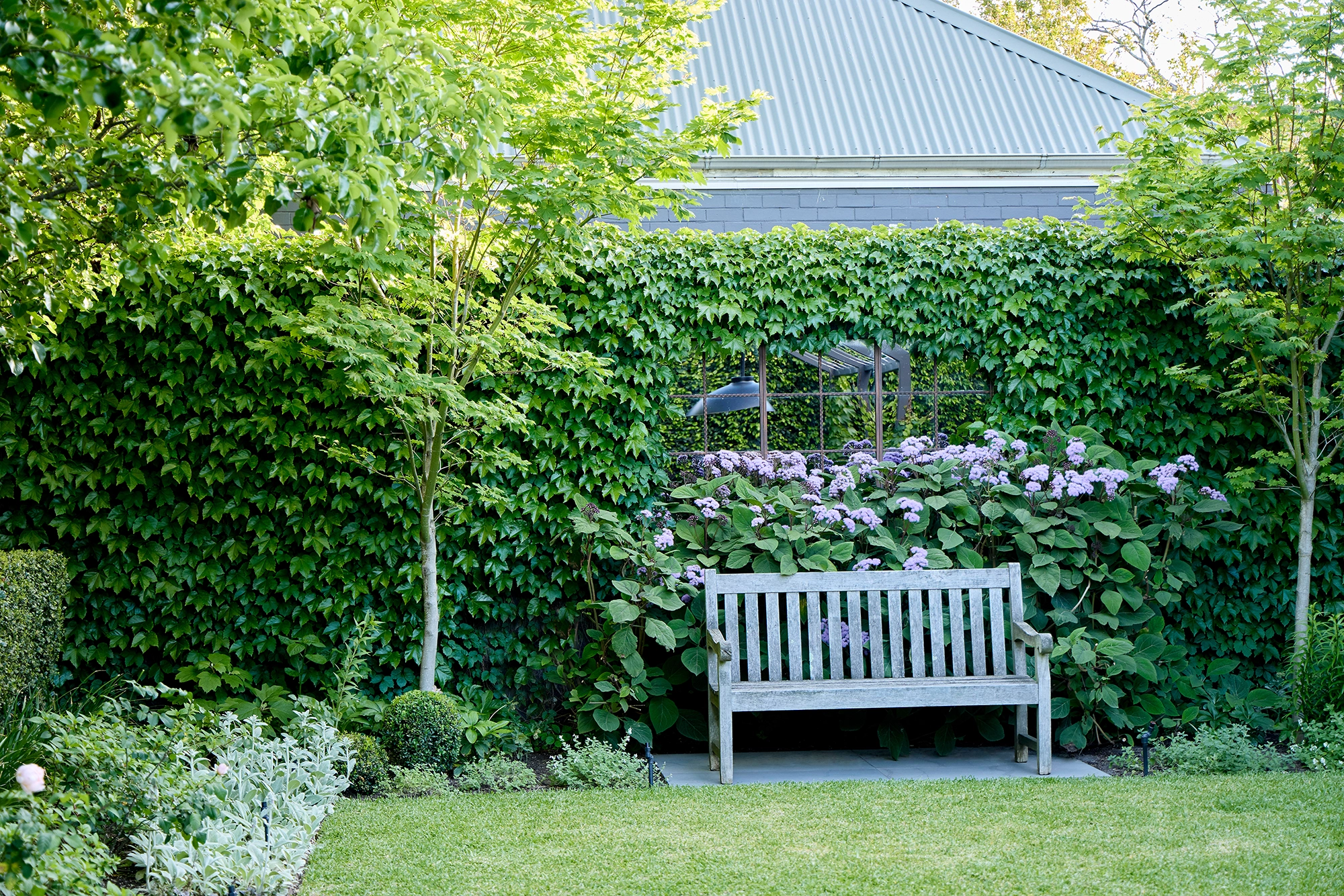
Our Canterbury Garden pairs clean contemporary lines with a soft planted palette that leans toward the traditional. The brief hinged on a frustratingly common problem: a covered terrace that was too small and not functional. The fix wasn’t just about adding square metres – it required a complete spatial reorganisation that prioritised how our clients would live in the garden.
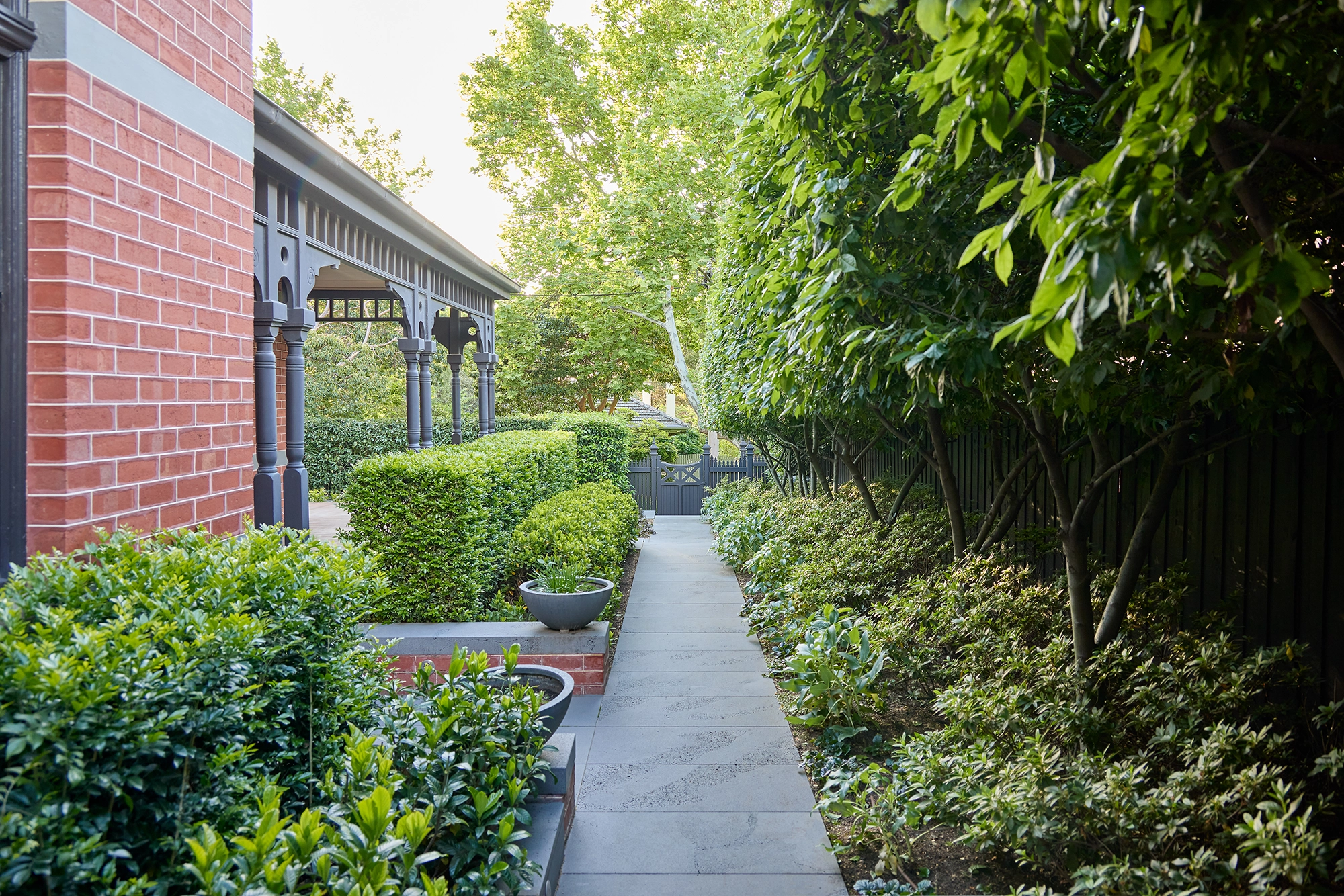
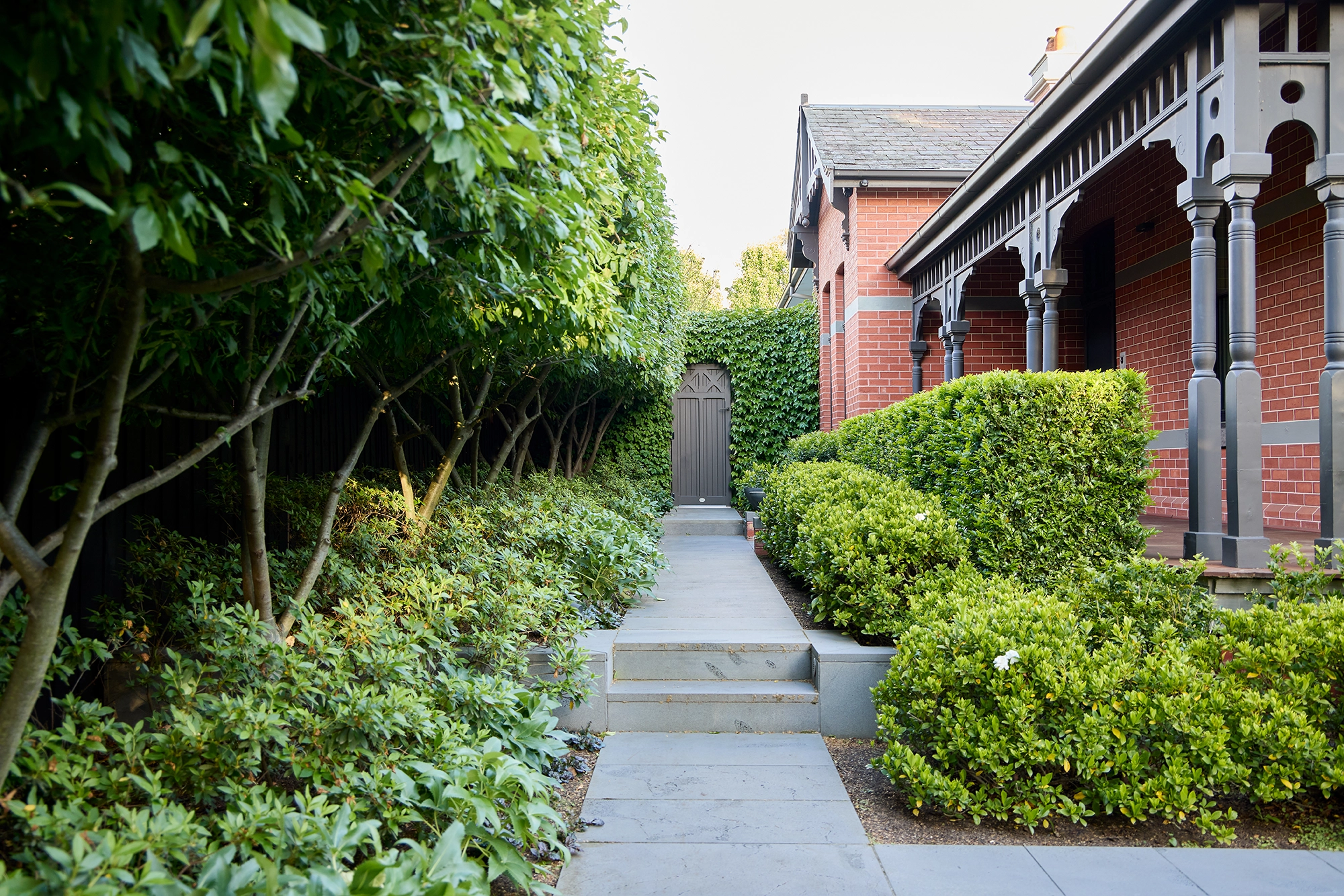
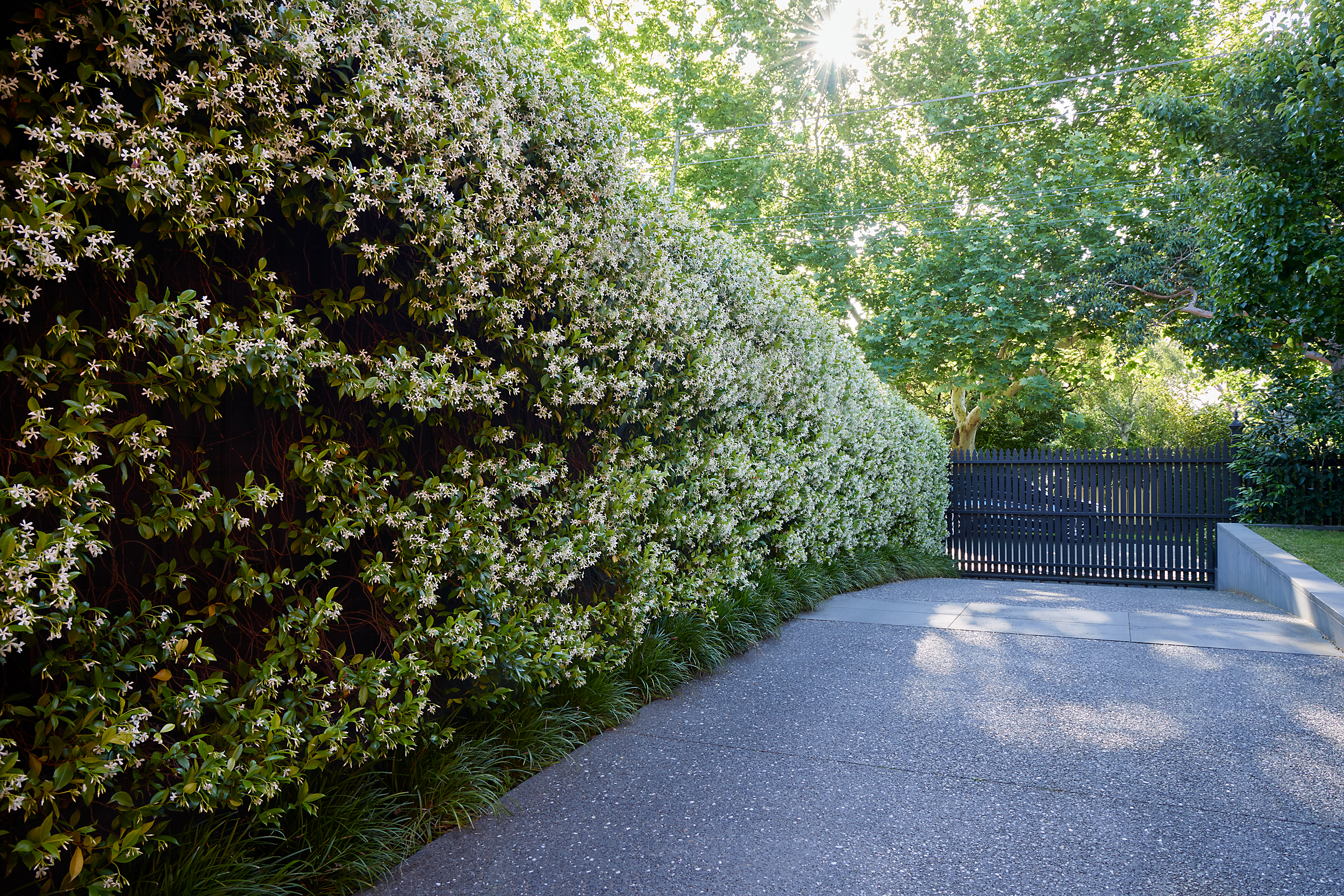
The front garden was pre-existing, and our design team made slight modifications to the landscape by pleaching the established trees along the side boundary to lift their canopies, creating space for layered planting beneath while preserving the minimalist character of the approach.
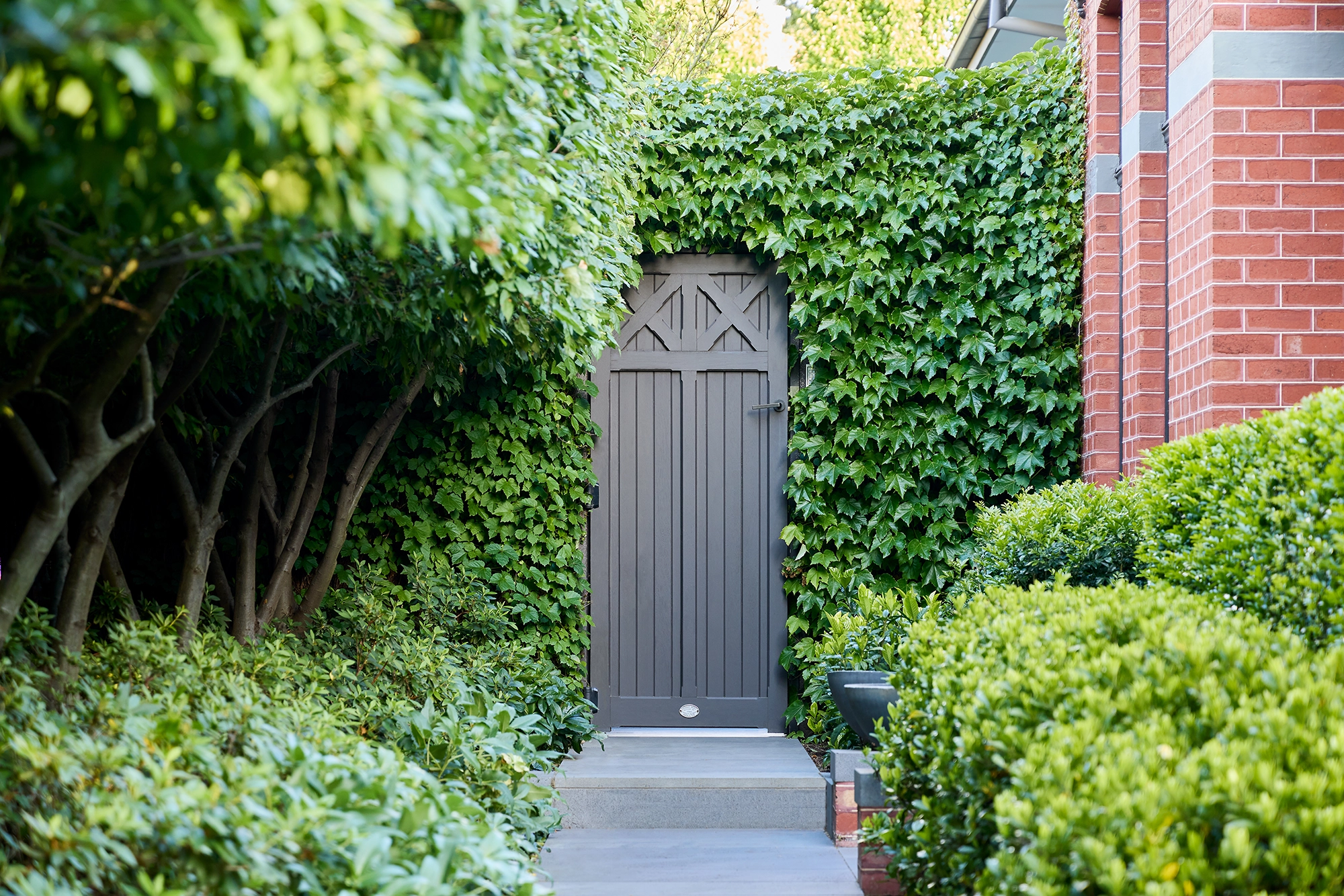
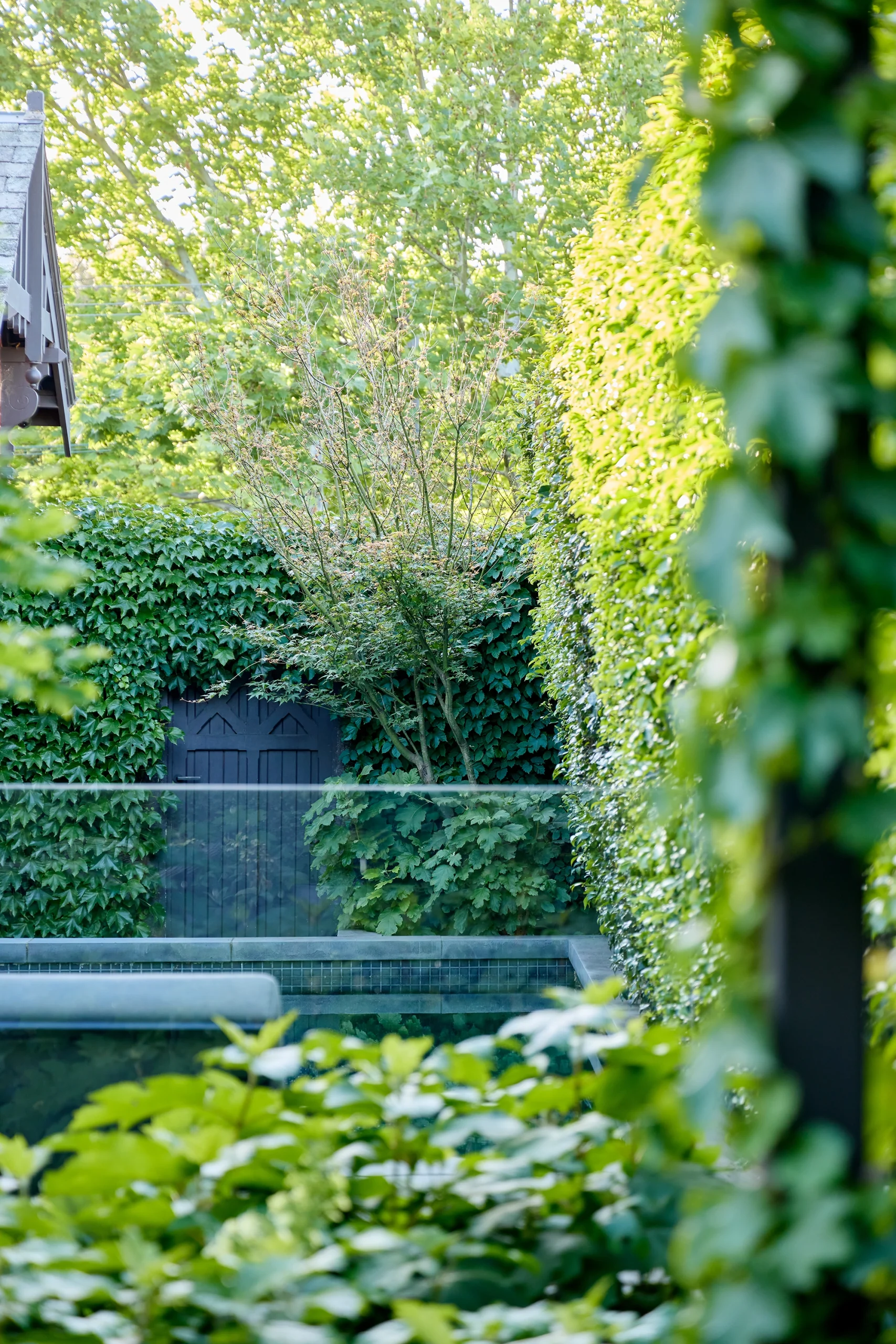
As you travel along the bluestone path from the front garden towards the rear garden, our design team wanted to create a green threshold that would emulate a moment of enclosure before entering the rear garden. To achieve this, lush Parthenocissus tricuspidata (Boston Ivy) was planted around the side gate, covering the fence connecting the front and rear.
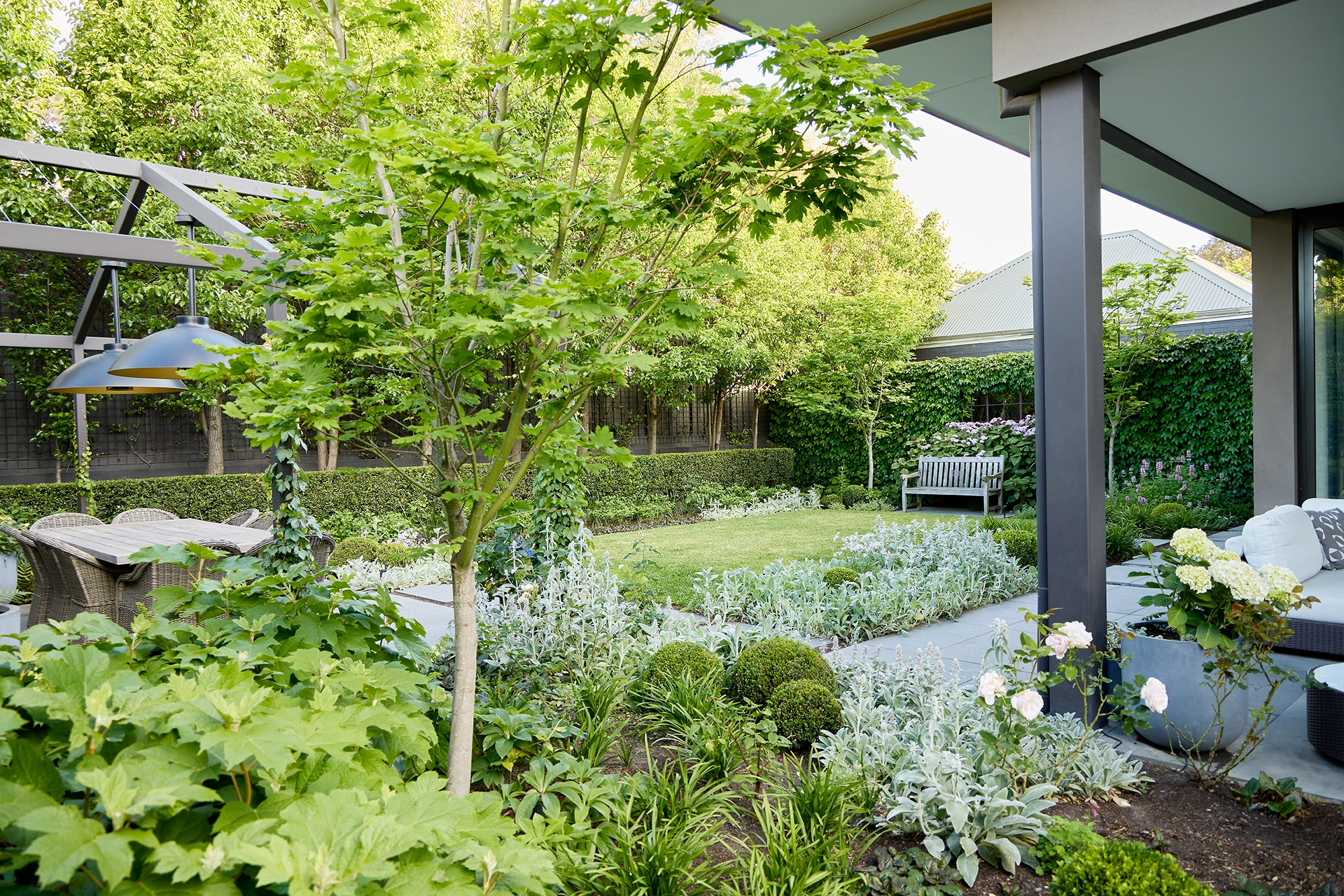
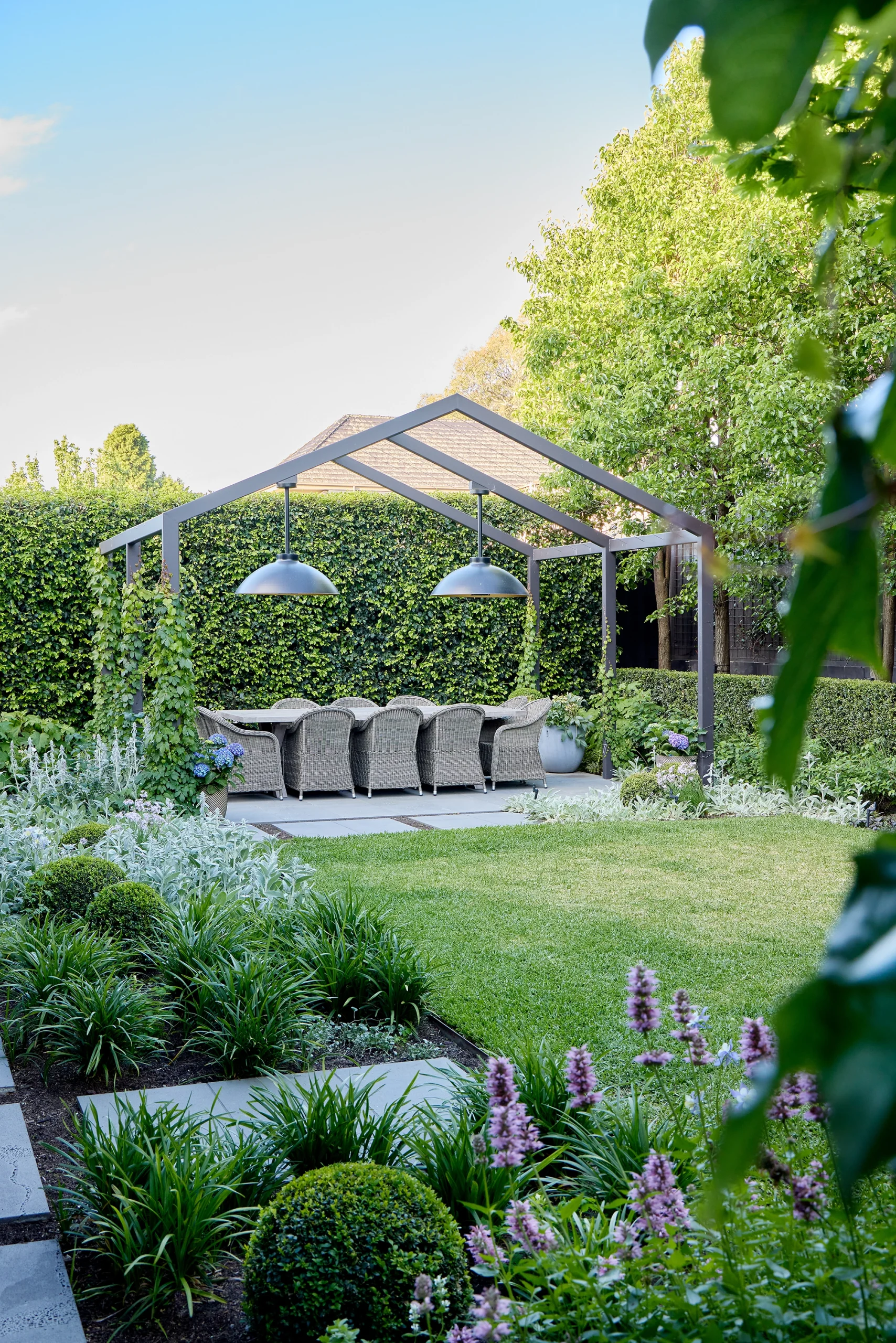
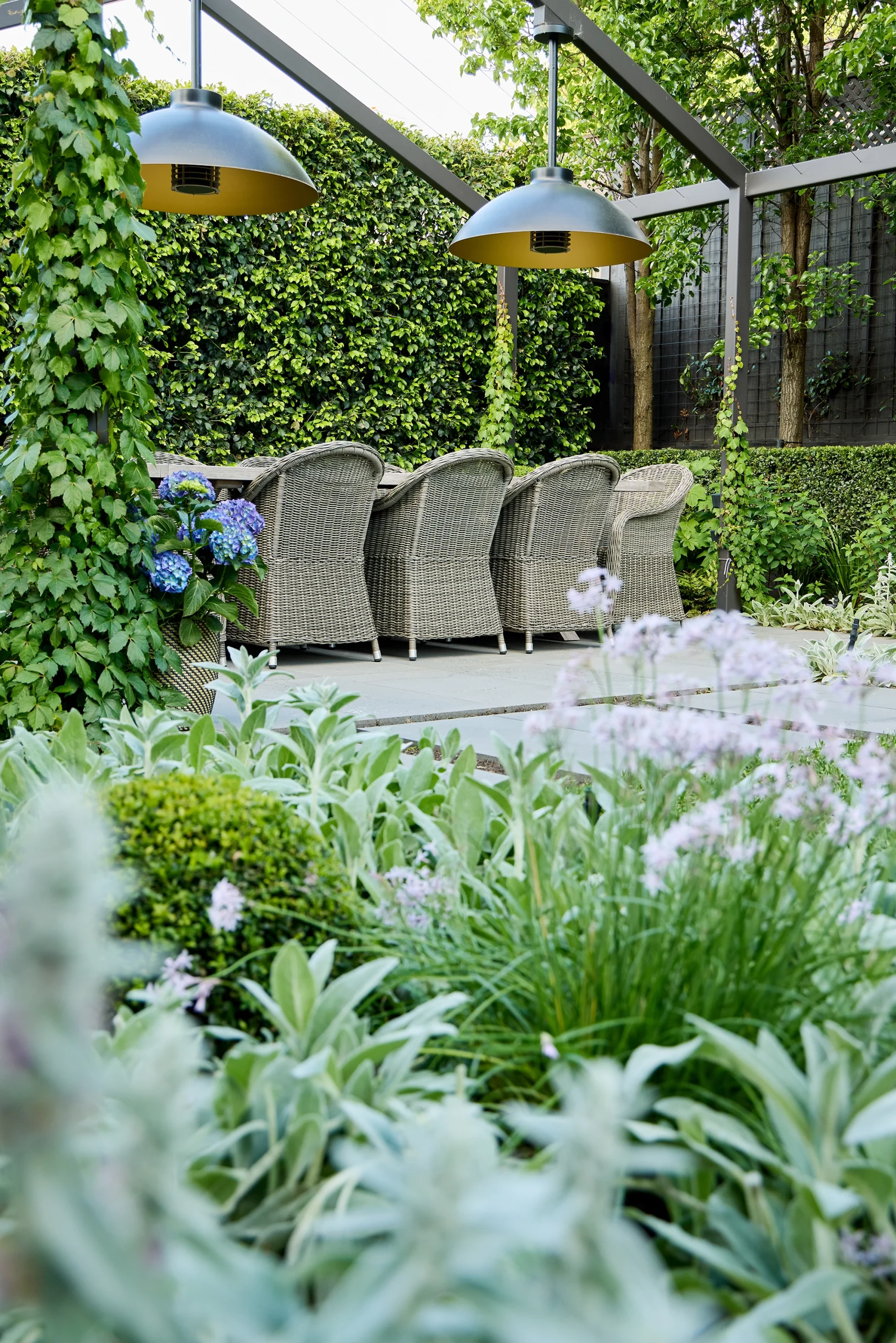
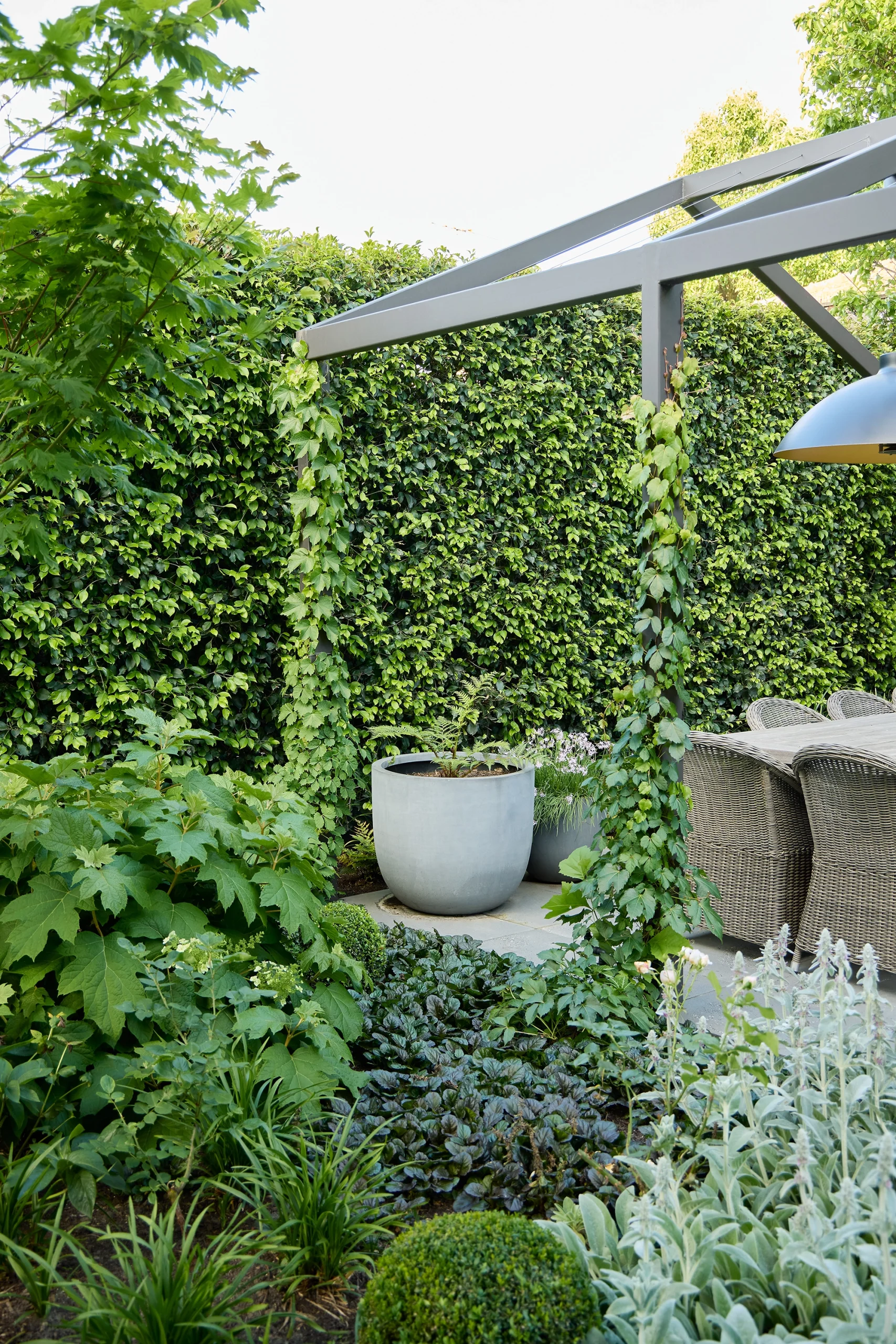
In the rear garden, the new entertaining area extends well beyond the original roofline, creating a larger space for outdoor dining and relaxation. We also introduced a second entertaining area, framed by an open steel pergola that comfortably sits an 8-seat dining table. As climbers establish, the structure will fade into the garden rather than compete with the architecture’s strong presence.
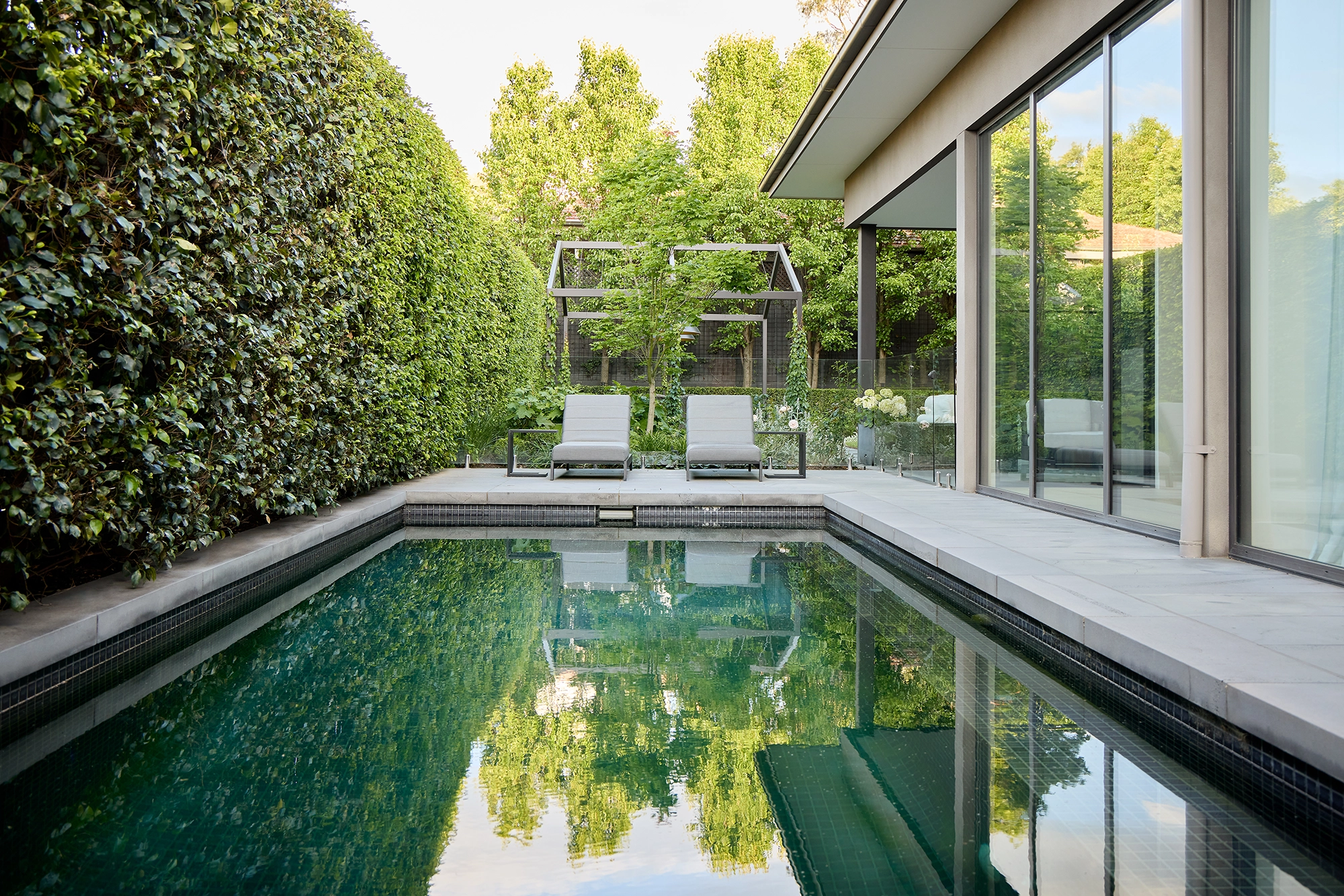
We also reduced the sun lounge area within the pool zone. This allowed us to free up critical space for garden beds while maintaining the sawn bluestone palette that ties the various zones together. The result is a pool area that feels proportionate rather than paving-dominant, with the entertaining terrace now genuinely large enough to accommodate gatherings without bottlenecking circulation.
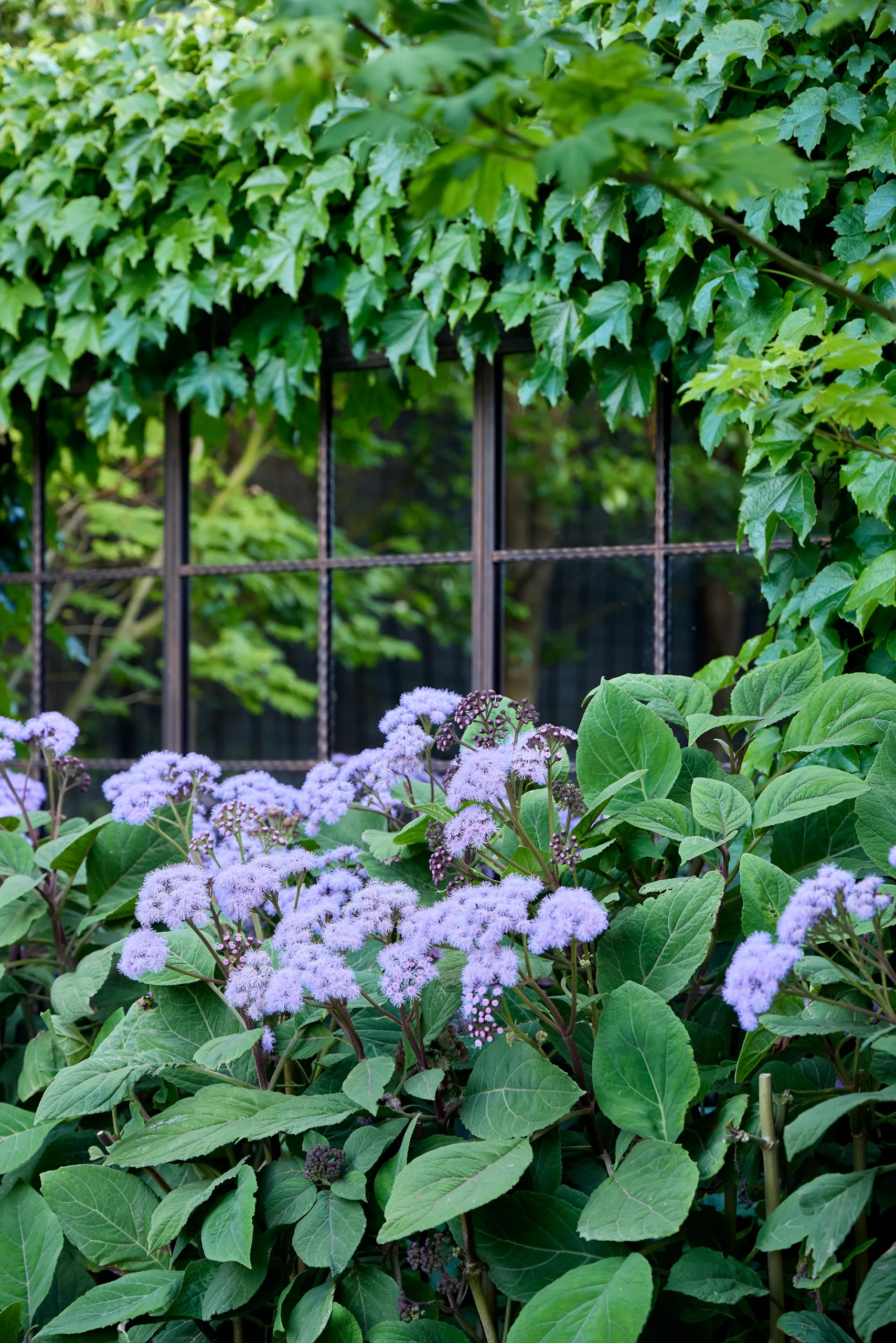
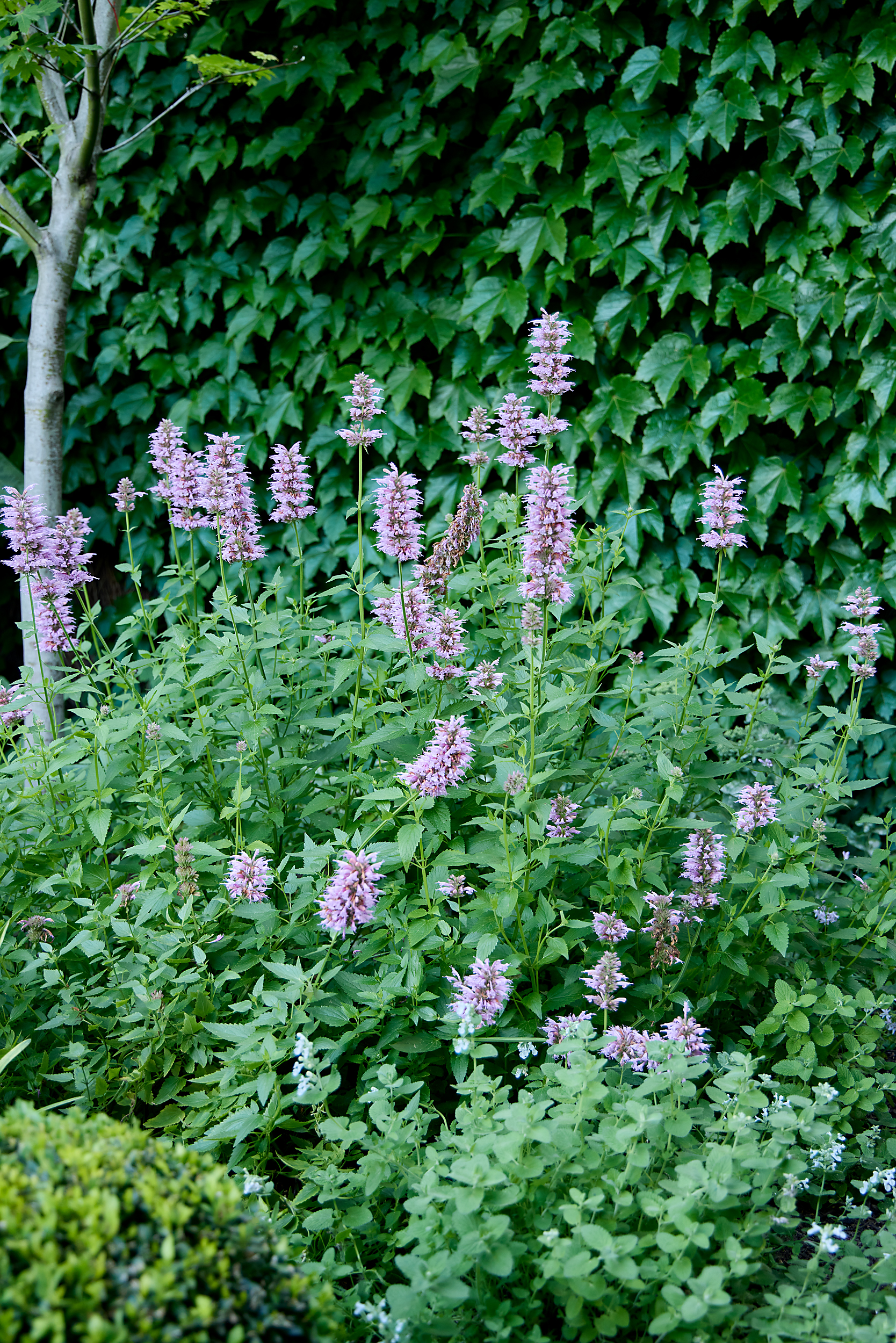
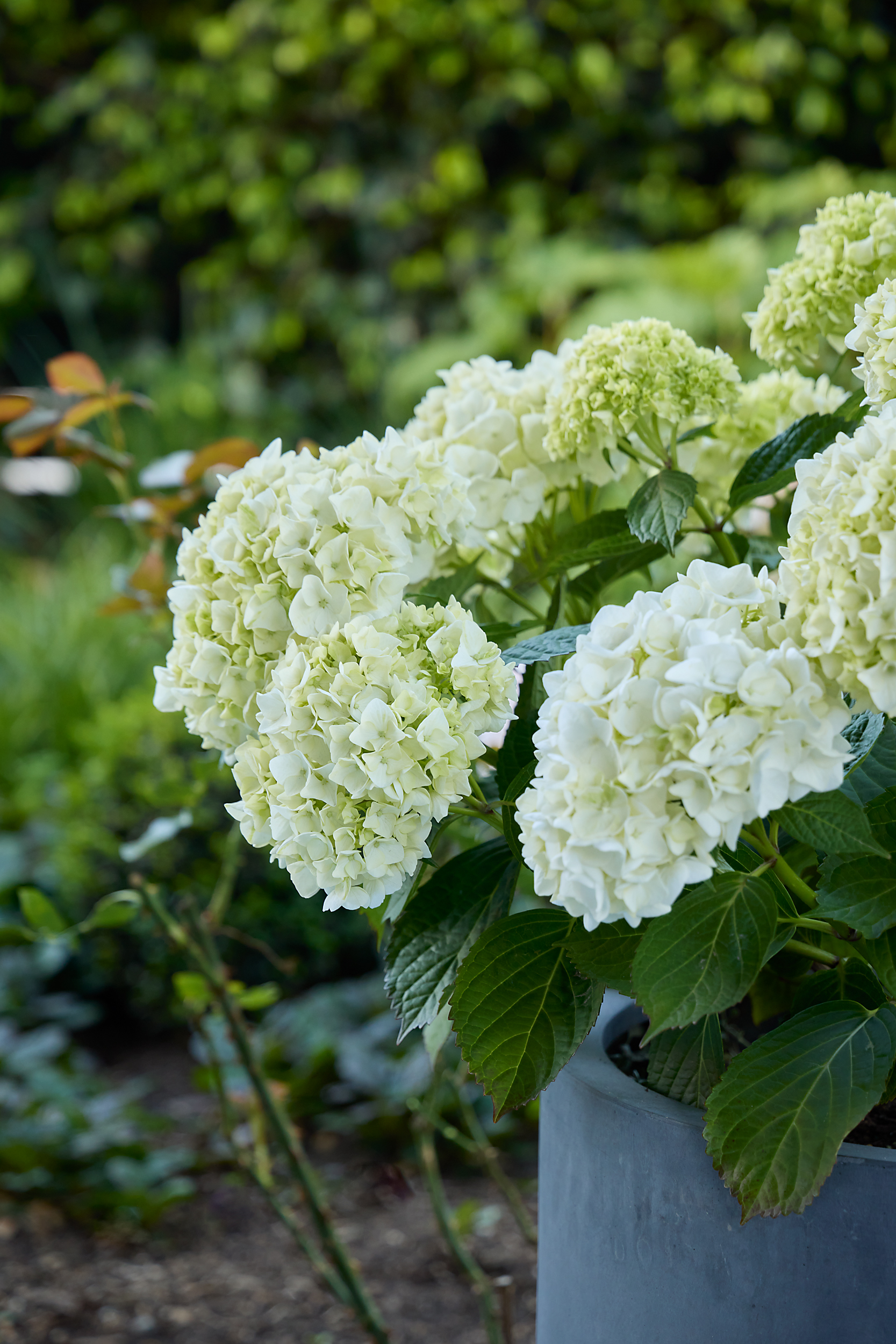
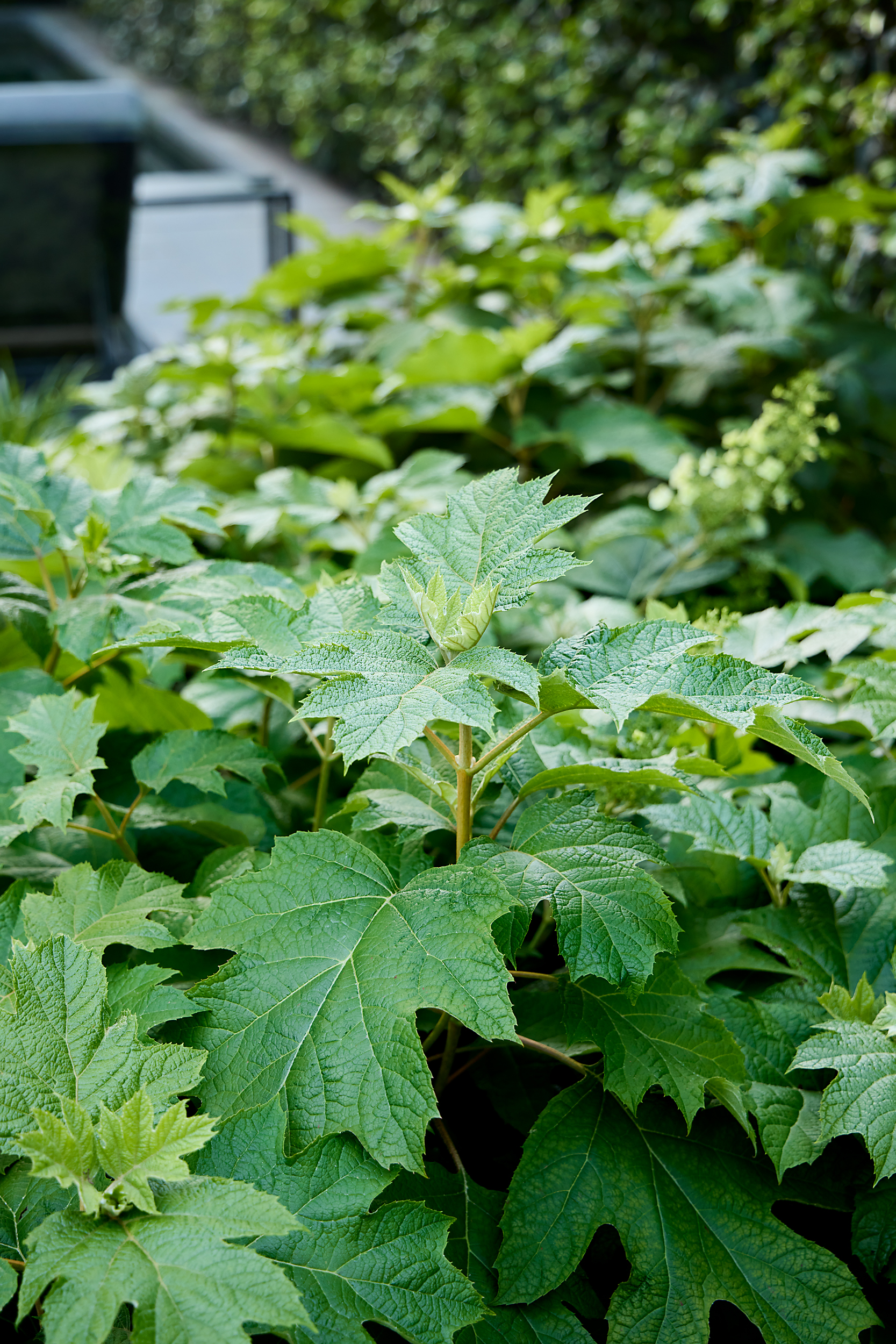
Our client is also a genuine plant lover – increasingly rare in contemporary gardens where people often prioritise low-maintenance layouts over horticultural depth. Here, the brief called for legitimate flower beds, and we delivered: Roses, Stachys byzantina (Lamb’s Ears), Hydrangeas, Buxus and seasonal perennials compose a planting scheme that’s structured but not rigid, touching on cottage garden sensibility without tipping into the chaotic profusion of true cottage style.
The lawn was also deliberately scaled back to roughly 25 per cent of the rear garden – large enough to feel generous but small enough not to waste space that better serves the client’s passion for flowers.
We are thrilled with the result of this garden, and it feels like a true escape from the bustling suburban surroundings.